French Bulldogs and English Bulldogs are two beloved breeds known for their distinctive appearances, affectionate personalities, and charming companionship. Although they share the Bulldog name and some physical characteristics, these breeds have important differences in size, appearance, temperament, exercise needs, and everyday care.
If you’re considering a Bulldog puppy in Michigan, understanding these differences can help you decide which breed best fits your household, lifestyle, and expectations.
At Pittsford Puppies in Pittsford, Michigan, we believe choosing a puppy should involve more than falling in love with an adorable face. Learning about a breed’s personality, health considerations, and care requirements is an important part of preparing for a new family member.
1. What’s the Difference Between a French Bulldog and an English Bulldog?
The most noticeable differences are their size, body shape, and ears.
French Bulldogs are smaller, compact dogs with distinctive upright, bat-shaped ears. They generally have a playful, curious personality and enjoy spending time with their families.
English Bulldogs are broader, heavier dogs with a large head, loose facial skin, a short muzzle, and a sturdy, muscular body. They are often known for their calm, easygoing demeanor and affectionate nature.
Both breeds can make wonderful companions, but individual personalities vary. Early socialization, training, health, and the dog’s environment all influence how a puppy develops.
2. French Bulldog vs. English Bulldog: Size and Appearance
French Bulldog Appearance
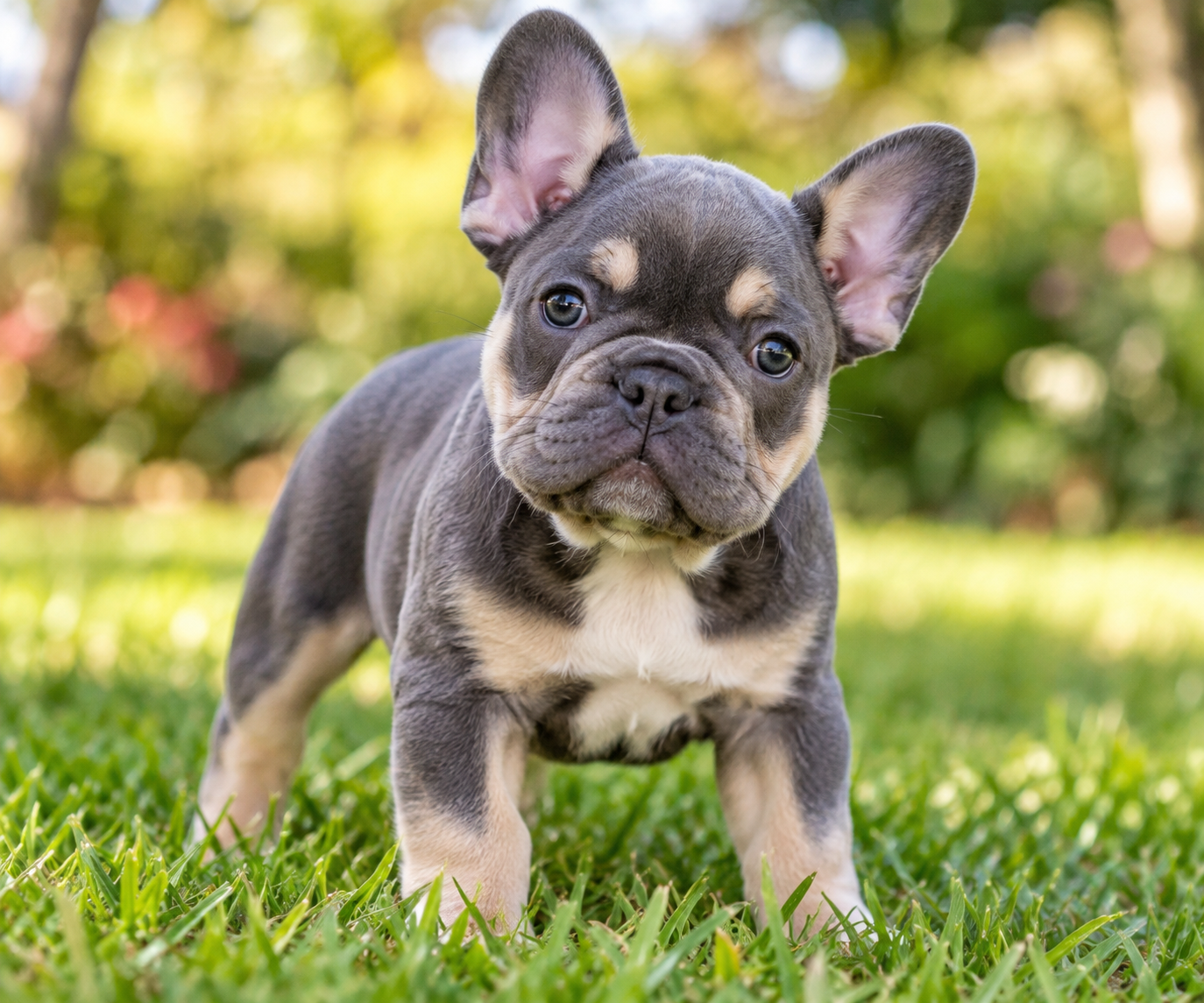
French Bulldogs have a compact, muscular build and a relatively square shape. Their upright ears give them an alert expression, while their short muzzle and expressive face are instantly recognizable.
Common French Bulldog coat colors include brindle, fawn, cream, and pied patterns. Other colors and patterns also occur, although some are not recognized by every breed standard.
French Bulldogs are generally smaller than English Bulldogs, making them easier for some households to accommodate. However, their compact size does not mean they are low-maintenance in every respect.
English Bulldog Appearance
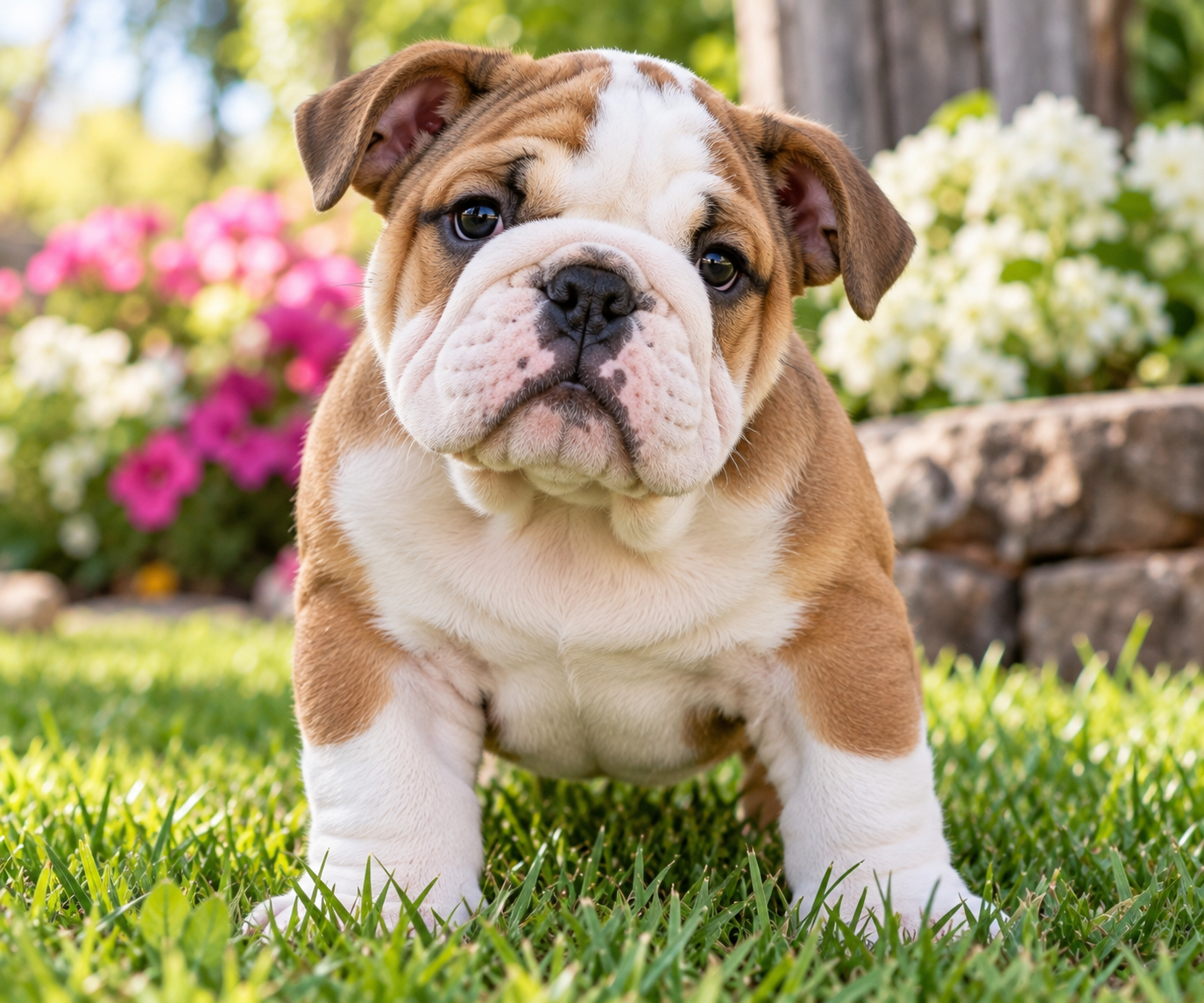
English Bulldogs have a stockier, heavier build, broad shoulders, a large head, and a distinctive wrinkled face. Their short legs and substantial bodies give them a recognizable, powerful appearance.
Common English Bulldog colors include brindle, fawn, white, red, and combinations of these colors.
English Bulldogs usually require more consideration when planning for lifting, transportation, and comfortable resting spaces because of their heavier build.
Quick Size Comparison
| Feature | French Bulldog | English Bulldog |
|---|---|---|
| General size | Small to medium, compact | Medium-sized, broad and heavy |
| Typical adult weight | About 16–28 pounds | About 40–50 pounds |
| Ears | Upright, bat-shaped | Usually folded or rose-shaped |
| Body shape | Compact and muscular | Broad, low-set, and stocky |
| Facial features | Short muzzle, expressive face | Broad head, pronounced wrinkles |
| Coat | Short and smooth | Short and smooth |
Weight ranges are general estimates, not guarantees. Individual dogs can fall outside these ranges. Breed standards and healthy adult size can vary.
3. Temperament: Which Bulldog Has the Better Personality?
Neither breed is automatically better than the other. The right choice depends on the personality and lifestyle you’re looking for.
French Bulldog Personality
French Bulldogs are often playful, affectionate, curious, and people-oriented. Many enjoy being involved in family activities and spending time close to their owners.
They can be entertaining companions and may enjoy short play sessions, walks in suitable weather, and indoor games.
French Bulldogs can also be independent or stubborn during training. Consistent routines, positive reinforcement, and early socialization help build good habits.
English Bulldog Personality
English Bulldogs are often described as calm, loyal, affectionate, and laid-back. Many enjoy relaxing with their families and participating in shorter, gentle activities.
Their determination can sometimes make training a test of patience. Reward-based training, consistency, and short sessions can help keep learning positive.
English Bulldogs also benefit from early socialization so they can become comfortable with different people, environments, and everyday experiences.
Which Is Better for Families With Children?
Both breeds may do well in family households when they receive appropriate socialization, supervision, and care.
Children should be taught how to interact gently with dogs, respect their resting spaces, and avoid pulling ears or facial skin. Because both breeds can have breathing and heat-tolerance limitations, active play should be supervised and adjusted to the dog’s comfort.
No breed is automatically the best fit for every family. Consider the dog’s individual temperament, the ages of the children, and the time your household can devote to care and training.
4. Exercise Needs: Which Bulldog Is More Active?
Both French Bulldogs and English Bulldogs generally benefit from regular, moderate activity rather than strenuous exercise.
French Bulldogs often enjoy short walks, gentle play, and interactive games. They may seem energetic and enthusiastic, but their short muzzles can make breathing and cooling themselves difficult during exercise.
English Bulldogs also benefit from gentle daily activity. Their heavier bodies and short muzzles mean that long walks, intense exercise, and strenuous activity may be unsuitable, particularly in warm or humid weather.
For both breeds:
- Choose cooler times of day for outdoor activity.
- Provide fresh water and access to shade.
- Avoid intense exercise in hot or humid weather.
- Watch for heavy or unusual breathing, excessive panting, weakness, or distress.
- Stop activity and seek veterinary advice if concerning symptoms occur.
Michigan winters also require attention. Cold weather, ice, and road salt can affect a dog’s comfort, so adjust outdoor time and protect paws when necessary.
Important: Both breeds are brachycephalic, meaning they have shortened skulls and muzzles. This can contribute to breathing difficulties and impaired heat regulation. Ask your veterinarian about safe activity levels for your individual dog.
5. Grooming: Which Bulldog Is Easier to Maintain?
Both breeds have short coats, so their basic coat care is relatively straightforward. Neither breed should be considered completely maintenance-free.
French Bulldog Grooming
French Bulldogs benefit from regular brushing to remove loose hair and keep their coats clean. Their facial folds should be checked and gently cleaned as needed, following appropriate veterinary guidance.
Their ears, nails, skin, and teeth also need routine attention.
English Bulldog Grooming
English Bulldogs also benefit from regular brushing. Because their facial wrinkles can be more pronounced, keeping skin folds clean and dry is especially important.
Moisture and debris trapped in skin folds can contribute to irritation and infection. Check the skin regularly and consult your veterinarian if you notice redness, odor, discharge, or persistent discomfort.
Which Breed Sheds Less?
Both breeds shed, despite having short coats. The amount varies with the individual dog, season, and health.
Regular brushing can help manage loose hair, but neither breed should be advertised as completely non-shedding.
6. Health Considerations Every Bulldog Buyer Should Understand
Health should be an important part of your decision when choosing either breed.
French Bulldogs and English Bulldogs can be prone to health issues associated with their physical structure. These may include brachycephalic obstructive airway syndrome, overheating, eye problems, skin-fold irritation, and orthopedic concerns.
Potential concerns differ between individual dogs, and not every dog will experience every condition.
Before choosing a puppy, consider asking about:
- The health history of the puppy’s parents and close relatives.
- Relevant breed-specific health screening and genetic testing.
- Veterinary examinations and the puppy’s health records.
- Breathing, mobility, eye, and skin concerns in the family line.
- What veterinary support is recommended as the puppy grows.
A puppy’s appearance alone cannot establish that the dog is healthy. Responsible breeding decisions, appropriate veterinary care, and careful selection all matter.
If your puppy has noisy or labored breathing, difficulty exercising, frequent overheating, or other concerning symptoms, consult a veterinarian rather than assuming those signs are normal for the breed.
7. Which Bulldog Is Better for Apartment Living?
Both breeds may adapt to apartment living when their exercise, enrichment, training, and bathroom needs are met.
French Bulldogs are smaller and may be easier to accommodate in a compact home. English Bulldogs can also be comfortable in apartments, although their heavier bodies require enough room for resting and moving around safely.
More important than the size of your home is whether you can provide:
- Daily companionship and attention.
- Regular bathroom breaks.
- Suitable exercise and enrichment.
- A comfortable, temperature-controlled environment.
- Consistent training and veterinary care.
Neither breed should be left in hot environments or expected to tolerate strenuous activity simply because it is accustomed to indoor living.
8. Cost of Ownership: French Bulldog vs. English Bulldog
The purchase price is only one part of the cost of owning a Bulldog.
Before bringing home either breed, budget for food, routine veterinary examinations, vaccinations, parasite prevention, supplies, grooming, training, and unexpected medical expenses.
Because both breeds can experience breathing-related and other health problems, it is particularly important to consider emergency veterinary costs and explore pet insurance options carefully.
Insurance policies differ in their exclusions, waiting periods, premiums, and coverage for hereditary or pre-existing conditions. Read the policy details before enrolling.
Rather than choosing a puppy based on price alone, consider the breeder’s practices, available health information, veterinary records, and the long-term financial commitment of caring for the dog.
9. So, Which Bulldog Is Right for You?
A French Bulldog may be a good match if you prefer a smaller, compact companion with a playful personality and enjoy interactive time together.
An English Bulldog may appeal to you if you prefer a heavier, stockier dog with a commonly laid-back temperament and are comfortable providing the care its build requires.
Both breeds need affection, training, appropriate exercise, routine veterinary care, and protection from excessive heat.
Before deciding, think about your daily schedule, household members, budget, and ability to meet the dog’s needs throughout its life. If possible, learn about the temperament and health history of the puppy’s parents as well.
The best choice is the individual dog whose needs and temperament fit your household—not simply the breed that looks the cutest.
10. Explore Bulldog Puppies at Pittsford Puppies in Michigan
At Pittsford Puppies, located in Pittsford, Michigan, we want prospective puppy owners to have useful information as they explore their options.
If you’re interested in a French Bulldog, visit our French Bulldog breed page to learn more about the breed.
If you prefer the sturdy build and distinctive appearance of an English Bulldog, explore our English Bulldog breed page.
Please contact Pittsford Puppies to ask about current puppy availability, care information, and the next steps in choosing a puppy. Availability can change, so contact us for the most up-to-date information.
Ready to learn more about Bulldog puppies in Michigan? Explore our breed pages and contact Pittsford Puppies with your questions. We’re happy to help you learn more as you decide which breed may be right for your family.
Frequently Asked Questions
Are French Bulldogs and English Bulldogs related?
Yes. Both belong to the Bulldog family and share some physical traits, including short muzzles and muscular bodies. They are distinct breeds with different sizes, appearances, and breed histories.
Are French Bulldogs smaller than English Bulldogs?
Generally, yes. French Bulldogs are usually smaller and lighter, while English Bulldogs have a broader, heavier build. Individual adult sizes vary.
Which Bulldog is calmer?
English Bulldogs are often described as more laid-back, while French Bulldogs are often more playful and curious. However, temperament varies between individual dogs and is influenced by socialization, training, health, and environment.
Do French Bulldogs and English Bulldogs shed?
Yes. Both breeds have short coats and shed. Regular brushing helps manage loose hair.
Can Bulldogs live in Michigan?
Yes, both breeds can live in Michigan, provided their needs are met. They require protection from heat and humidity in summer and appropriate care during cold weather. Their breathing and heat-regulation limitations deserve particular attention.
Are French Bulldogs or English Bulldogs healthier?
Neither breed can be assumed to be healthier in every case. Both can experience breed-related health concerns, especially those associated with short muzzles. Ask about health screening, family history, veterinary examinations, and the individual puppy’s needs.
How do I find out whether Bulldog puppies are available?
Visit the French Bulldog and English Bulldog pages on the Pittsford Puppies website, then contact us to ask about current availability. A breed page does not necessarily mean a puppy of that breed is available right now.